Corns and Calluses
At LUNIQ, we specialize in safe, effective, and scar-free cryotherapy treatments for a wide range of benign skin lesions.


Clinical Appearance
Corns and Calluses areas of thickened, hardened skin that form in response to repeated pressure or friction. They develop as a protective reaction: when the outer skin layer (the epidermis) is exposed to constant irritation, the body produces extra keratin to shield the deeper tissues. While this process is meant to defend the skin, excessive thickening can lead to discomfort, pain, or even inflammation.
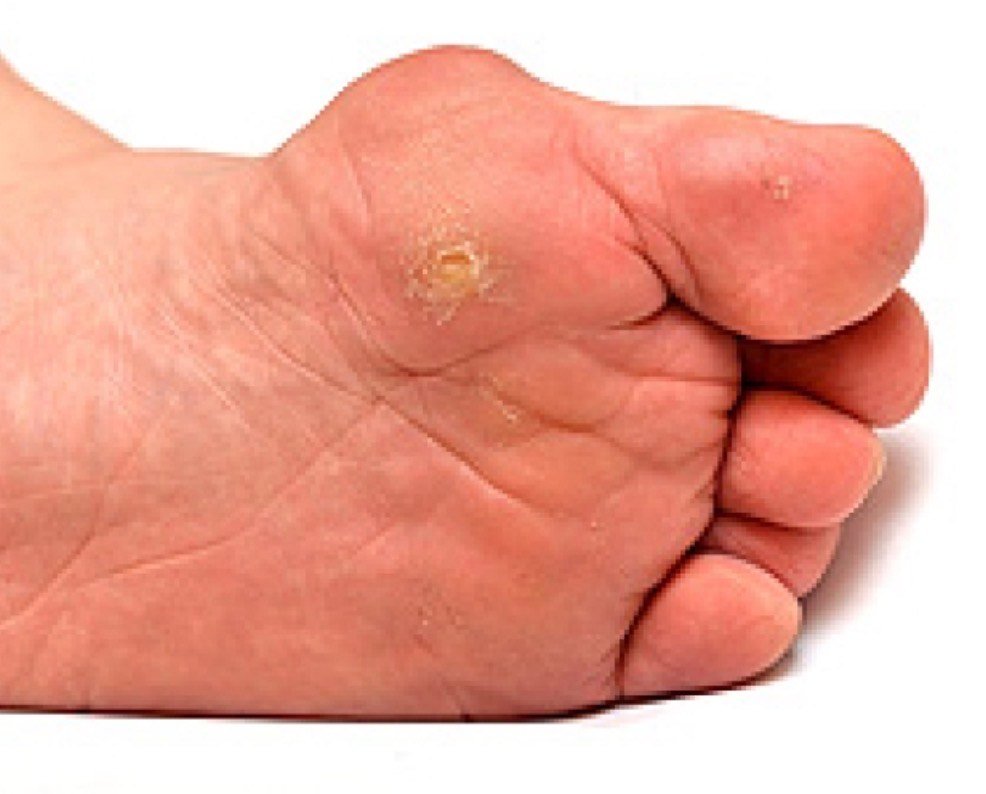
A corn ( heloma) is a localized, cone-shaped thickening with a dense central core that presses inward into the dermis. Corns are most often found on the tops or sides of toes or in areas where bones press against footwear. They are typically small, well-defined, and may cause sharp pain when pressure is applied. There are two main types: hard corns (heloma durum), which occur on dry, firm skin surfaces, and soft corns (heloma molle), which appear between the toes where moisture keeps the tissue soft and pale.
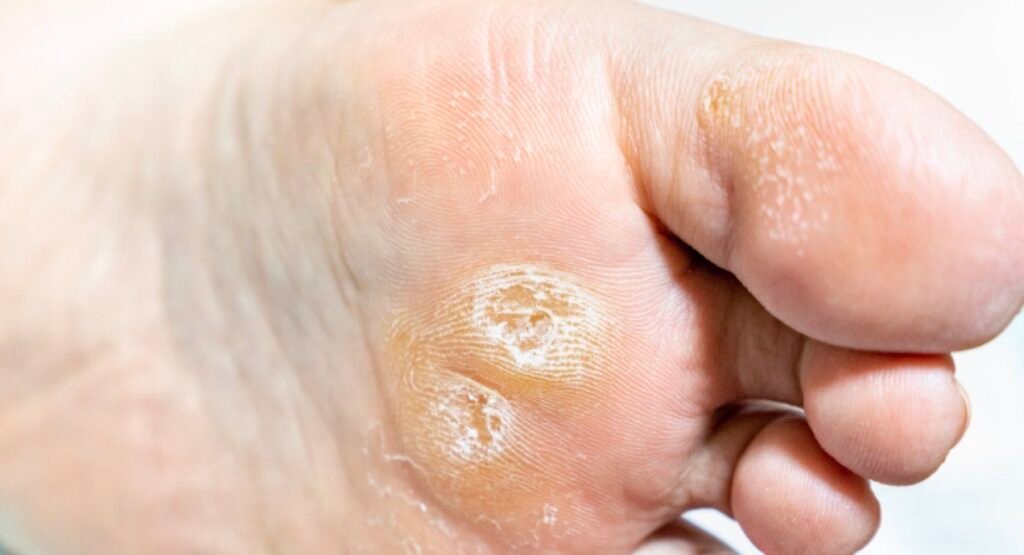
A callus (tyloma) is a broader, flatter area of hyperkeratosis; thickened skin without a hard central core. Calluses usually form on weight-bearing areas, such as the heels, balls of the feet, or palms, and feel rough but are often painless.
Preventions
Preventive care focuses on reducing pressure and friction. Properly fitting footwear, cushioned insoles, and protective pads help redistribute mechanical forces. careful trimming or filing can remove some excess tissue, but self‑treatment with sharp objects is strongly discouraged, especially in individuals with diabetes or poor circulation, because of risk for ulceration or infection.
Common Causes & Symptoms
The underlying cause of both corns and calluses is mechanical stress; repeated pressure, friction, or shearing forces. Poorly fitting shoes, high heels, abnormal foot biomechanics ( hammertoes or bunions), or repetitive hand motions can all contribute. Over time, constant friction stimulates hyperproliferation of keratinocytes (the cells that produce keratin), leading to excessive thickening in localized areas.
Why Cryotherapy Works
Cryotherapy can be used as a specialized medical approach for persistent or painful corns and calluses that do not respond to conservative care. The procedure involves applying liquid nitrogen to the thickened lesion. The rapid freezing causes cryonecrosis; destruction of keratinized cells through ice crystal formation and vascular interruption. Once treated, the dead tissue gradually separates and flakes away, allowing new, healthier skin to form underneath.
Because cryotherapy temporarily interrupts the blood supply to the affected area, it must be applied with precision to avoid damaging surrounding healthy skin. The clinician typically limits the freeze time to a few seconds to achieve a superficial effect, since the thickened keratin layer retains cold efficiently. Mild redness, blistering, or tenderness can occur after treatment but usually resolves within several days. Multiple sessions may be necessary for severely thickened or long‑standing lesions.
Corns and calluses themselves are benign and not contagious, but they are often signs of persistent pressure or an underlying biomechanical imbalance. When treated properly; especially when combined with footwear modification and off‑loading techniques. cryotherapy can provide effective relief and restore comfort without surgical intervention.
Conditions We Treat
Skin Tags
Small, soft growths commonly found on the neck, underarms, or eyelids.
Moles
Benign pigmented skin growths that may require removal for cosmetic or medical reasons.
Warts
Rough, thick surface, irregular shape, and are often skin-colored or gray.
Fibromas
Firm, benign skin lumps typically found on the skin or under the skin.
Benefits of Treatment
Safety First
We prioritize your health and safety with every treatment.
Professional Care
Treatments performed exclusively by registered nurses trained in cryotherapy.
Modern Technology
We use the CryoProbe XP, the only medical device approved by Health Canada for skin lesion removal.
Patient Comfort
Our procedures are quick, painless, and require no downtime.
Transparency
Clear communication about treatments, pricing, and expected outcomes.
What to Expect During Your Treatment
- Your cryotherapy session at LUNIQ is straightforward and comfortable.
- After a brief consultation and skin assessment, our nurse will apply the CryoProbe XP to the lesion, delivering precise freezing temperatures.
- Most treatments last only a few minutes depending on the size and location of the lesion.
- There is typically no need for anesthesia, and most patients experience minimal discomfort.
- Post-treatment, the area may be red or slightly swollen, but this subsides quickly with no lasting marks.
Frequently Asked Questions
What is cryotherapy in aesthetics?
Cryotherapy in aesthetics is a treatment that uses controlled cold temperatures to target and eliminate unwanted skin concerns such as warts, skin tags, moles, age spots, or to refresh and tighten the skin. The cooling effect can also boost circulation and stimulate collagen production for a rejuvenated appearance.
Is cryotherapy safe?
Yes, when performed by a trained professional, cryotherapy is generally safe. The treatment is non-invasive, quick, and has minimal side effects, though some clients may experience temporary redness, tingling, or sensitivity in the treated area.
How long does a session take?
Most cryotherapy aesthetic sessions take between 5 to 15 minutes, depending on the size and number of areas being treated. It’s often referred to as a “lunchtime procedure” because of how quick and convenient it is.
Who should avoid cryotherapy?
Cryotherapy is not recommended for individuals who are pregnant, have uncontrolled high blood pressure, severe circulatory or heart conditions, cold sensitivity disorders (like Raynaud’s disease), or open wounds in the treatment area. A consultation is advised to ensure it’s the right option for you.
When will I see results?
Results can often be noticed immediately or within a few days, depending on the treatment type. For skin lesion removal (skin tags, moles, and warts), the treated area may darken, scab, and fall off naturally in 1–2 weeks. For rejuvenation purposes, improvements in skin tone and texture may be seen gradually over several sessions.
Where are you located?
We are located in Richmond Hill.
Ready to remove your skin lesions quickly and painlessly?
Request an appointment with LUNIQ is simple. Choose a time that works for you, and let our Registered Nurses take care of the rest. Most appointments take 30 minutes and include a consultation, assessment, and treatment (if eligible).